BoneBuilding Strategies for Women Across Different Life Stages
Stronger Bones for Women: How to Boost Bone Health from Adolescence to Menopause
Bone density loss is a common phenomenon as women age. Between the ages of 20 and 80, the average Caucasian woman loses nearly one-third of her hip bone mineral density.
Women are disproportionately affected by osteoporosis due to hormonal changes, lifestyle factors, and genetics. Living in urban areas also significantly contributes, as residents receive limited sunlight and are constantly stressed by the demands of city life.
To support female bone health at every life stage, women should take proactive steps to maintain better bone health. In the sections that follow, learn how teens, adults, and elderly women can care for their bones.
Teens and Young Adults (Ages 13–25)
The teenage and early adult period is the pinnacle of strong bones and joints. Up to 90% of peak bone mass is typically developed by age 25, making this the optimal time to establish a solid foundation for better bone health.
Teens and young adults can build stronger bones by engaging in highimpact training, such as jumping or plyometrics, and weightbearing exercises like dancing and gymnastics. Routines like this can be effective when performed just three times per week.
Nutrition is also crucial at this stage. For young female teens, a daily calcium target of 1,300 mg is ideal. While dairy offers good nutritional content, leafy greens, fortified plant milks, almonds, and tofu also provide valuable nutrients.
Young women should expose themselves to as much sun as often as possible. Vitamin D from safe sun exposure is excellent for bone mineralisation. Don't forget to get enough sleep and avoid excessive smoking and alcohol, since these vices can interfere with calcium absorption.
Prime Adult Years (Ages 25–45)
At the prime adulthood stage, your bone density is mostly stabilized, which makes it a perfect period to maintain bone health.
You don't have to do much at this stage. Your best bet is to exercise consistently and maintain a proper diet. Impact activities, such as step aerobics or brisk walking, help stimulate your bones. Functional moves like squats, lunges, and step-ups protect the hips and spine.
Ensure to aim for 1,200 mg of calcium daily and at least 800 IU of vitamin D. If you can't get this naturally from your diet, supplements can suffice. It's also necessary to eat foods rich in omega-3s and antioxidants, as they are effective anti-inflammatory fighters. Nursing mothers need to consume foods rich in essential nutrients, as pregnancy and breastfeeding can cause a depletion of calcium levels.
Additionally, manage stress efficiently to keep cortisol low. Get enough sleep, too. 7–9 hours of sleep helps regulate your hormones and supports recovery after a long day.
Perimenopause (Ages 45–55)
Perimenopause is the transition period before menopause. When you're at this stage, hormones go crazy, and if you're not proactive enough, bone loss can sneak in even before menopause. Watch for subtle signs, such as joint pain, changes in posture, or a reduction in height.
Women in their perimenopausal stage can counter hormonal declines by incorporating more strength training, balance, and flexibility exercises into their routine. If these routines are done consistently and efficiently, it’d significantly improve coordination and posture.
While your body may not efficiently absorb calcium at this stage, you can increase your protein intake and add phytoestrogen-rich foods like soy and flax seeds.
You can also consider undergoing hormone management therapies like selective estrogen receptor modulators (SERMs). Consult with your healthcare provider to receive the best advice about hormone therapies.
Menopause and Beyond (Ages 55+)
At menopause, about 50% of postmenopausal women develop osteoporosis. This is common as your body's ovarian estrogen is gone, thereby increasing the risk of bone fractures.
Women at this stage can combat this by engaging in strength training with heavier weights under the supervision of a qualified professional. Include modified jumping drills, water aerobics, or resistance-based cycling.
As always, targeted nutrition is nonnegotiable. Vitamin D3 is an essential nutrient your body needs at this stage. You can also include collagen peptides, prunes, and other bone-protective foods.
Prevent falling as much as possible. Falls at home or outdoors can cause severe fractures that may affect balance and coordination for a long time. To avoid falls, consider making changes to your home, such as installing brighter lighting, firmer rugs, and grab bars. Check vision and hearing, review medications for dizziness, and consider a medical alert system.
Considerations for Female Bone Health
While staying active, eating a balanced diet, and making lifestyle changes can improve a woman’s bone health, certain factors may affect the expected results or even worsen the condition.
Check the following conditions to determine the best way to safeguard your bones and promote bone health.
Medical Conditions
Specific health issues, like autoimmune diseases, endocrine disorders, GI issues, and cancer treatments, can all harm bone health. You need to work closely with health providers to find out strategies and procedures that would improve your bone density.
Medication Management
Long-term use of certain medications, such as antacids, corticosteroids, antidepressants, or anticoagulants, can affect bone density. Check in with your healthcare provider to find alternatives or strategies that consider your bone health.
Technology Integration
Use smart devices to track your workout routines, especially if you have set targets for them. You can also use reminder apps to receive notifications when you should take your supplements, follow a particular workout routine, or go to bed.
Adjusting for Urban Lifestyle
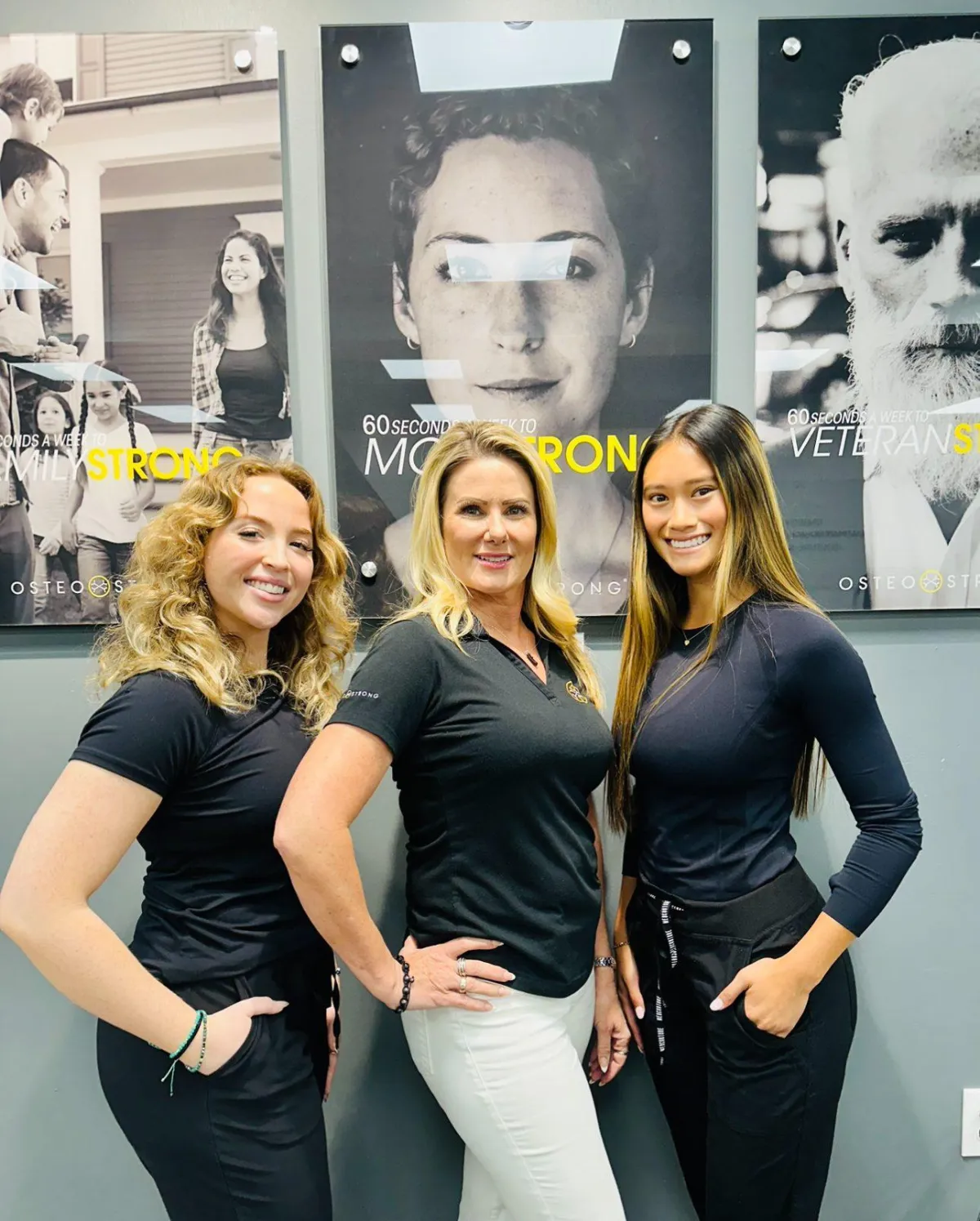
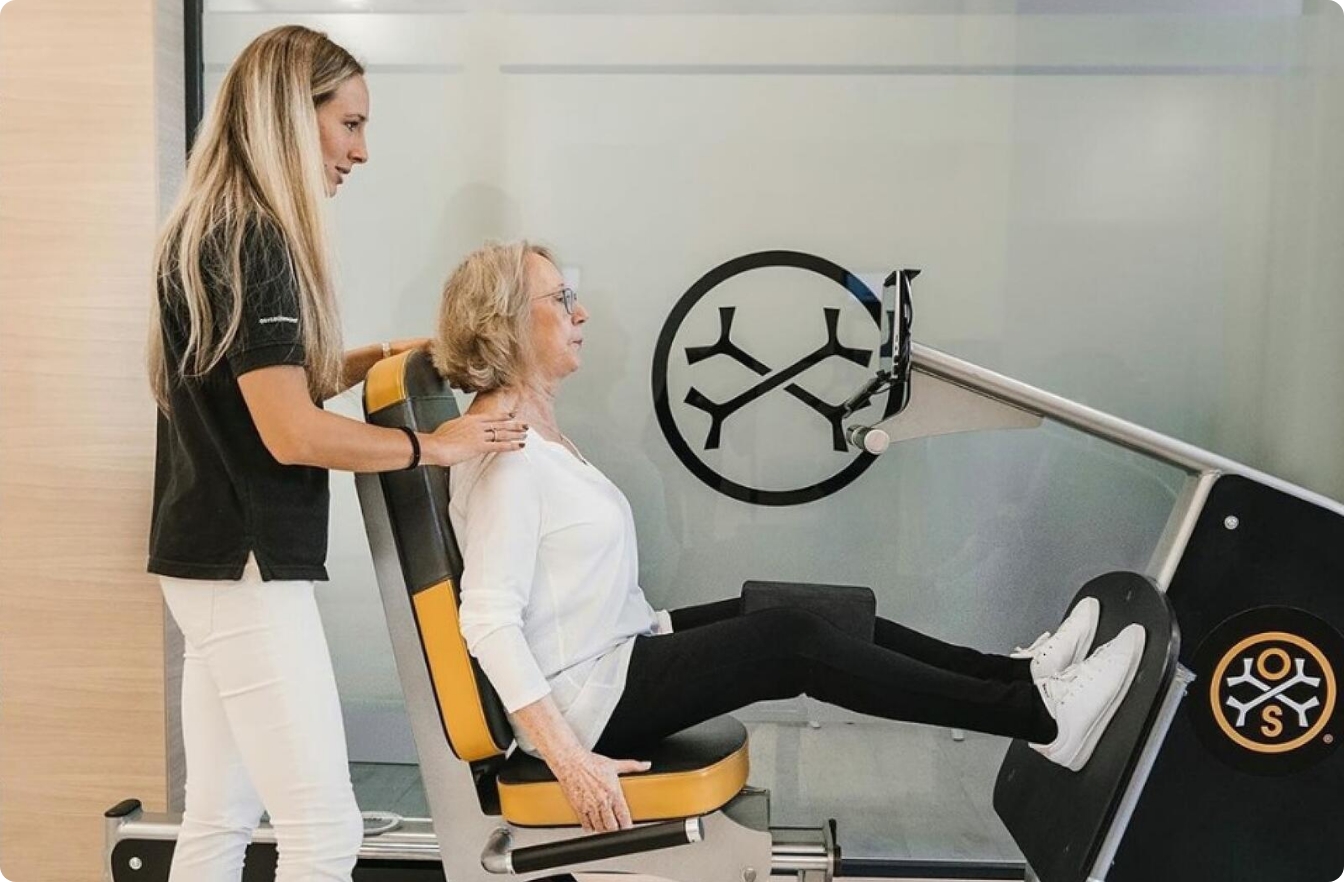
Urban living, especially in the Upper West Side, can mean less sunlight and constant stress. You can adjust by visiting fitness centers that cater to bone health. OsteoStrong UW is a bone-building studio in Manhattan. Unlike regular gyms, OsteoStrong utilizes osteogenic loading technology to help you boost bone health, stay fit, and repair posture for less than 10 minutes a week—no need to sweat it.
Setting the Pace for Stronger Bones for Women
Fractures shouldn't be the reminder you need to take care of your bones. If you’re a woman over 40, it's essential to find personalized care for your bones early on.
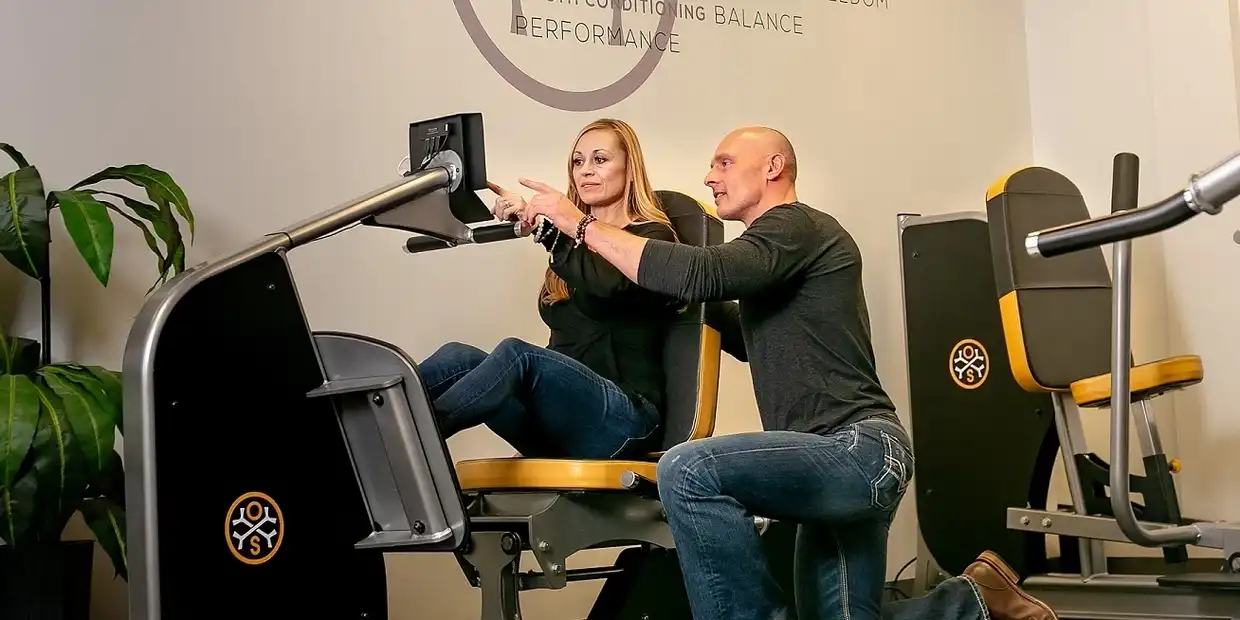
Women in the Upper West Side find custom bone-building plans while staying active at OsteoStrong. Begin with a safe, radiation-free REMS test to assess your bone mineral density and other essential details about your current bone health. Our team will recommend targeted programs to help restore bone strength, improve balance, and keep you active.
Our sessions are efficient, proven, and designed for your busy schedule.
Book a consultation.
Final Words
Building healthy bones is a mission for women of all ages. Starting early would prepare you for an old age full of vitality and energy.
Teens should prioritize high-impact workouts and a balanced diet. Adults should opt for consistent resistance training and safe lifestyle habits. Women who are nearing or in menopause should opt for targeted bone-building exercise, find medical support, and stay active.
At OsteoStrong UW, our team will conduct bone density tests to evaluate your bone quality and provide targeted programs and nutritional guidance to help improve your bone health. As always, consult your doctor to determine the best practices for your individual needs.
📞 Contact us at +1 914-690-7190
🌐 Visit us at https://osteonewyork.com/
📧 Email us at [email protected]