Best Ways to Improve Posture
Straight and Firm: Practical Tips to Improve Posture for Adults
We live in a world built for convenience — but not for our posture. Hours spent hunched over phones, working at computers, or slouching on the subway are quietly reshaping our spines. In fact, researchers estimate 20% to 40% of older adults develop exaggerated upper-back curvature (thoracic kyphosis), which can lead to pain, reduced mobility, and even breathing problems.
The good news? Poor posture isn’t a life sentence. With the right strategies, anyone can retrain their body to stand taller, move better, and feel more confident. In this guide, we’ll explore evidence-based tips to fix poor posture, exercises for women over 40 and seniors, and practical tweaks for city life on the Upper West Side of Manhattan.
The Science Behind Poor Posture: Why It Happens
A. Modern Lifestyle Factors
Tech neck and forward head posture: Constant smartphone scrolling and long video calls push the head forward and strain neck muscles.
Prolonged sitting: Many office workers sit 10+ hours per day, weakening glutes, core muscles, and upper-back stabilizers.
Muscle imbalances: Repetitive movements (typing, lifting, certain sports) tighten the front of the body while weakening the back.
Aging changes: Reduced bone density and muscle loss make it harder to maintain upright alignment.
B. Specific Risk Factors for Target Demographics
Women 40+: Hormonal shifts can accelerate bone loss and muscle atrophy, making posture correction exercises crucial.
Senior men: Age-related stiffness in the spine and hips compounds forward-leaning tendencies.
Athletes: Sports like cycling or swimming can create sport-specific posture imbalances.
Urban professionals: Commuting stress, long desk hours, and tight apartments intensify slouching.
C. The Cascade Effect
Poor posture is more than an appearance issue. Misalignment can compress lungs and digestive organs, reduce circulation, and set off a chain reaction of compensations. Over time, this contributes to chronic pain, mobility loss, and decreased energy.
The Hidden Health Consequences of Poor Posture
Immediate effects: Neck pain, headaches, shoulder tension, low-back pain, and shallow breathing. Many notice they can’t fully fill their lungs or digest food comfortably after long periods of slouching.
Long-term risks: Hyperkyphosis can impair respiratory function, throw off balance, and even strain cardiovascular health by compressing organs. It also affects mood, confidence, and energy levels.
Quality of life impact: Reduced athletic performance, premature aging appearance, and lower self-esteem are all linked to chronically poor posture.
The Complete Posture Improvement Action Plan
A. Foundation: Posture Awareness and Assessment
The Wall Test: Stand with your back against a wall so your heels, hips, shoulder blades, and head all touch. Can’t? That’s your cue to start working.
Self-assessment checklist: Check shoulder level, pelvis tilt, and forward head position in the mirror.
Professional evaluation: Consider a physical therapist or certified trainer for a more detailed assessment.
B. Targeted Exercises for Different Age Groups
For Women Over 40:
Core strengthening: Planks and dead bugs help counteract hormonal muscle changes.
Thoracic spine mobility: Foam roller extensions or seated twists restore flexibility.
Hip flexor stretches: Offset anterior pelvic tilt from sitting.
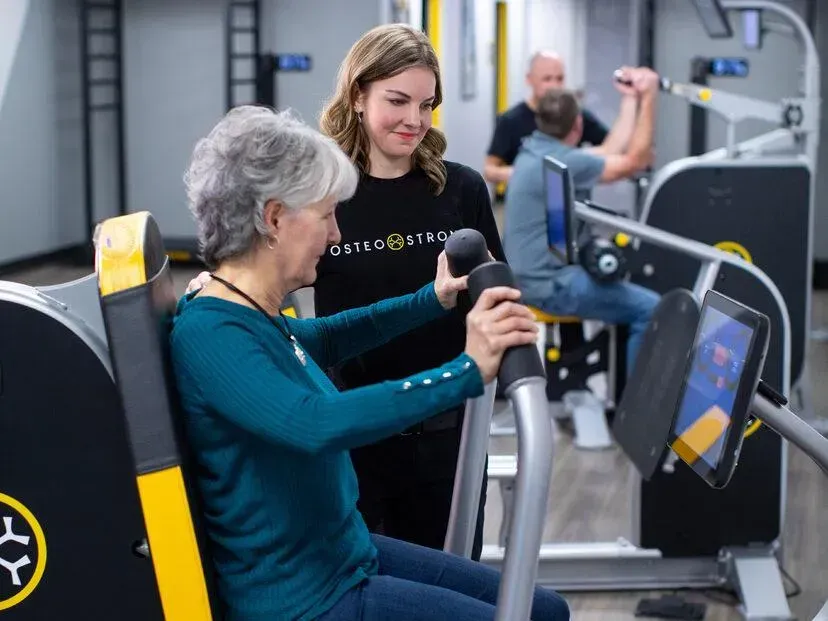
Resistance training: Light dumbbells or bands support bone density and posture muscles.

For Senior Men:
Chair-based alignment drills: Feet flat, ribs lifted, and neutral spine practice.
Gentle spinal extensions: Standing back bends or wall-assisted stretches.
Balance exercises: Heel-to-toe walking or single-leg stands.
Low-impact strengthening: Seated rows or band pull-aparts.
For Athletes:
Sport-specific corrective work: Opposite-movement drills to balance sport imbalances.
Dynamic warm-ups: Leg swings, arm circles, and cat-cows before training.
Recovery routines: Foam rolling, targeted stretching, and breathing drills.
Performance enhancement: Optimal alignment for better power transfer.
C. The 5-Minute Daily Routine (Universal Exercises)
Chin Tucks: Gently pull chin back to align ears over shoulders.
Wall Angels: Press arms and shoulders against a wall, sliding them up and down to retrain upper-back muscles.
Cat-Cow Stretches: Mobilize the spine on hands and knees.
Scapular Squeezes: Strengthen mid-back to pull shoulders back naturally.
Pelvic Tilts: Engage the core and realign the lower spine.
D. Advanced Strengthening Protocol
Once comfortable, progress to heavier resistance or compound lifts (rows, deadlifts, pull-downs) while maintaining good form. Integrate posture-friendly patterns like hip hinges and farmer’s carries into daily movements.
E. Lifestyle Modifications for Upper West Side Living
Ergonomic workspace setup: Invest in a supportive chair, adjustable monitor, and footrest — even in small apartments.
Subway posture tips: Stand tall with weight evenly distributed; avoid leaning on one hip.
Walking posture: Stroll through Central Park with shoulders back and arms swinging naturally.
Sleep position optimization: A medium-firm mattress and a supportive pillow keep the spine neutral overnight.
V. Technology and Tools That Actually Work
Recommended equipment:
Posture reminder apps: Gentle vibrations or phone alerts cue you to straighten up.
Ergonomic accessories: Keyboard trays, lumbar cushions, and standing desks.
Supportive footwear: Proper arch support helps align knees and hips.
Apartment-friendly equipment: Resistance bands, yoga mats, and compact foam rollers.
Professional resources:
Physical therapists on the Upper West Side: Many specialize in posture rehab.
Pilates or yoga studios: Small-group classes for spinal mobility and core strength.
Massage therapy: Regular sessions can release chronically tight muscles.

VI. Creating Sustainable Habits
The 21-Day Posture Challenge:
Week 1: Awareness and self-assessment (wall test + photo check).
Week 2: Add daily posture exercises.
Week 3: Reinforce habits with phone reminders and workspace tweaks.
Environmental modifications: Keep your laptop at eye level, set hourly movement alarms, and add supportive seating at home.
Tracking progress: Monthly photos, pain/mobility scales, and notes on energy and confidence help you see improvements and stay motivated.
VII. FAQ
1. How long does it take to see improvements in posture?
Many notice initial changes in 2–3 weeks with consistent practice. Significant structural improvement typically takes 3–6 months of dedicated exercise.
2. Can you really fix posture after age 50?
Absolutely! While your bones do not change shape, your muscles and soft tissues can still strengthen and adapt at any age. With the right training, you can improve alignment, balance, and reduce pain, helping you stand taller and feel stronger.
3. What’s the most common posture mistake people make?
“Tech neck” — the head jutting forward leads to compensations all the way down the spine.
4. Do posture correctors and braces work?
They can improve awareness but shouldn’t replace strengthening exercises. Over-reliance can weaken muscles.
5. Is poor posture genetic or lifestyle-related?
Mostly lifestyle. Even small amounts of low-impact exercise and regular stretching reduce risk and improve posture over time.

VIII. Conclusion and Next Steps
Better posture is not just about looking taller; it is about breathing easier, moving freely, and feeling more confident. Start with the wall test today, pick one or two exercises, and build from there. If you are on the Upper West Side, consider visiting a local physical therapist or Pilates studio for personalized guidance.
Remember to check in with a qualified healthcare professional before starting any new exercise routine, especially if you have existing conditions or concerns about form. Consistency, not perfection, creates lasting change.
Book a free consultation today
📞 Contact us at +1 914-690-7190
🌐 Visit us at https://osteonewyork.com/
📧 Email us at [email protected]