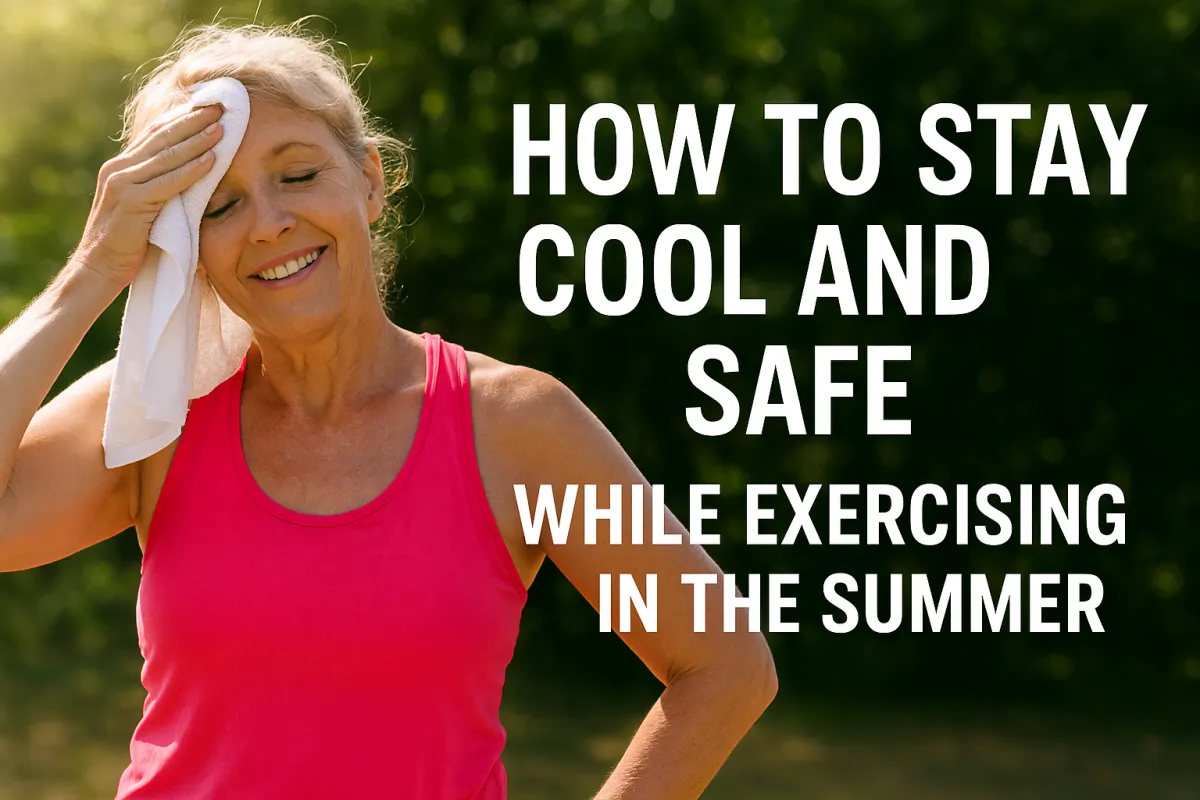
7 Fitness Safety Tips in Warm Summer Months
How to Stay Warm & Safe While Exercising in the Summer
Summers are getting hotter, making exercising as uncomfortable as ever. However, your summer body doesn't have to wait for the days to get cooler.
With the right strategies, you can stay fit in the summer without succumbing to the heat. You just have to know how to adapt your routine; this is what this guide was written for.
Read on to find out how to stay strong, safe, and hydrated while maintaining your fitness goals in the summer.
What Happens When Your Body Gets Too Hot While Exercising?
Ever noticed your heart beating faster when you exercise? In the summer heat, this effect becomes even stronger as blood flow shifts toward the skin to help cool you down. As you sweat, your body loses water and electrolytes, which can reduce cognitive function and limit exercise performance.
Pushing yourself too hard in these conditions can lead to cramps or heat exhaustion. Severe dehydration may even cause heat stroke, affecting coordination and increasing the risk of injury.
7 Tips for Safe and Cool Exercising in the Summer
As you gear up for your summer exercise, these 7 practices will make your workouts cooler, safer, and help you get the best results from your routines.
1. Schedule workouts during cool periods
Try to work out in the morning or during the cooler evenings. Keep an eye on the weather with local weather apps. In Manhattan, the sun hits its peak between 10 a.m. and 4 p.m., so it's best to skip exercising during those hours. If that’s your only time to get moving, hit up an airconditioned gym, exercise at home, or find a shady spot.
2. Stay Hydrated and Electrolyte Management Protocols
Before starting your workout, drink enough water two to three hours beforehand. You can track your hydration level by observing the color of your urine. Only opt for water or electrolyte fluids. Alcohol or caffeine can dehydrate you further.
While working out, keep a bottle of water within reach. You don’t have to wait till you feel thirsty to drink. After your workouts, replace lost fluids with electrolytes and a balanced meal.
3. Get used to the Heat
Your body can adapt to heat with deliberate, gradual exposure. In the first 7–14 days, focus on shorter, lower-intensity sessions and take frequent breaks. As your body adapts, you will sweat more, which helps you tolerate heat better. As your tolerance improves, increase the timeframe for your workouts and monitor your heart rate.

4. Put on light and breathable clothing
Wear light-colored, loose-fitting clothes that reflect heat and allow airflow. Opt for moisture-wicking fabrics, such as synthetic or blended materials. Clothes made from these materials outperform those made from cotton, which tends to trap moisture and heat. Don’t forget to apply sunscreen before heading out. If you wish, you can also include additional protective gear, such as sunglasses, cooling towels, or ice vests.
5. Modify exercise routines
Don't give it a go all at once. Adjust your workouts by extending rest periods. You can also make your workloads lighter on hotter days. Consider swapping high-impact runs for brisk walks, cycling, or swimming to reduce the impact on your joints. Water aerobics dramatically reduces heat stress while achieving the same results.
6. Recognize Warning Signs
Heat cramps are a warning sign that hits first. Other signs may include nausea, weakness, a rapid heartbeat, or confusion. For your safety, monitor yourself every 15 minutes when you take a break. If you're feeling dizzy, disoriented, or overly fatigued, stop immediately. Move to a shaded area or an air-conditioned space and drink water. Call emergency services for heat stroke or if symptoms worsen. If you have medications, keep them within reach and ensure you’ve got an emergency contact on your phone.
7. Eat all the right things
Nutrition also matters. When it's too hot, it's easy to lose appetite even when your body needs energy. In the summer, water-rich foods like melons, cucumbers, and leafy greens should be staples in your diet. Coconut water is rich in electrolytes and an excellent addition for hydration.
How to Set Up Safe and Cool Fitness for the Summer with OsteoStrong
Health and fitness are a round-the-clock need. However, if you’re a busy person who lives in an urban location like Manhattan, prepping for cool summer workouts can be a hassle.
OsteoStrong is here to help. If you're in the Upper West Side, our studio caters to busy professionals of all ages like you. We prioritize ventilation, heat management, and help track your progress as you go.
No need for a regular gym—our advanced 10-minute-per-week sessions are proven to build bones, repair muscles, and enhance posture with targeted sessions tailored with your health in mind.
Book your consultation to get started
Final Words
Don't write off exercising in the summer because of the heat. With the right strategies, you can stay cool and safe while working out in the summer. Start by opting for cool periods to work out, stay hydrated, adjust your routines, and be mindful of any signs of fatigue.
At OsteoStrong UW, our team will conduct bone density tests to evaluate your bone quality and provide targeted programs and nutritional guidance to help improve your bone health. As always, consult your doctor to determine the best practices for your individual needs.
📞 Contact us at +1 914-690-7190
🌐 Visit us at https://osteonewyork.com/
📧 Email us at [email protected]